
Istanbul auction showcases rare items, draws international interest
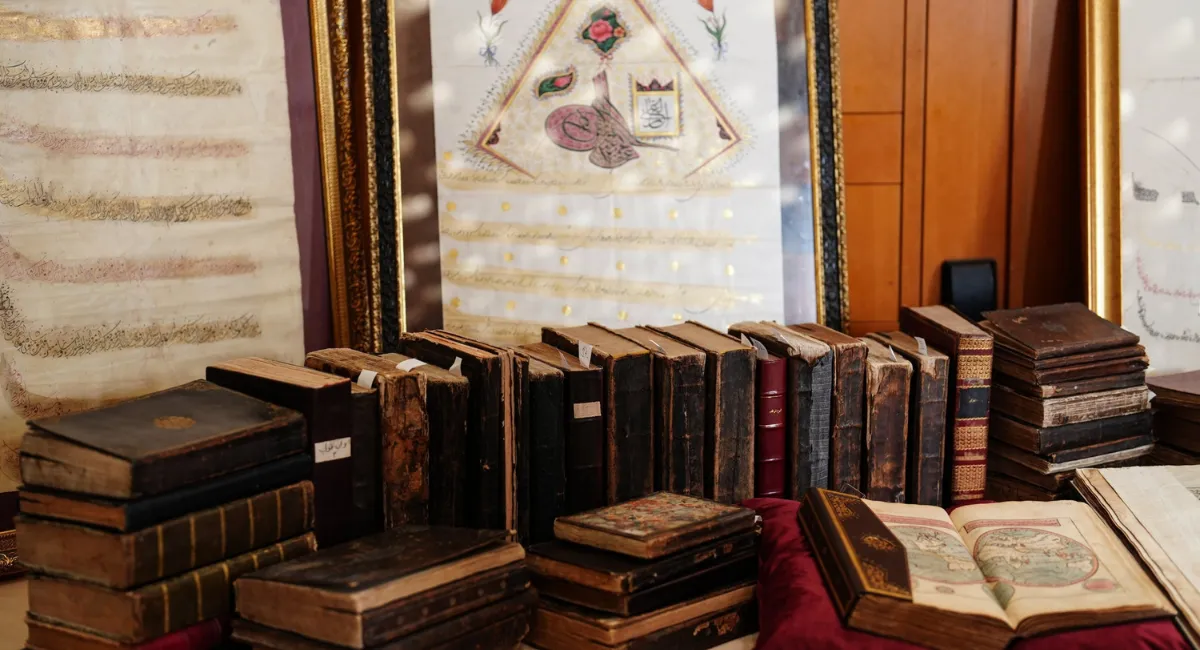
The Phebus Auction House hosted an extraordinary event at the Divan Hotel in Harbiye, Istanbul, featuring over 250 rare and historical items. Art enthusiasts and collectors were captivated by an eclectic collection that included paintings, posters, documents, maps, and antique personal belongings.
A Manuscript’s Preservation
The highlight of the auction was the Yunus Emre Divanı Karaman Manuscript, one of the oldest and most revered works of the Turkish poet. However, it was withdrawn from the auction after Türkiye’s Ministry of Culture and Tourism exercised its preemptive purchase rights. This decision ensures that the manuscript remains a part of the nation’s heritage and preserved within Türkiye’s national collections.
Notable Sales and Missed Opportunities
Key items sold at the auction included:
- A historic photo album from the Sanayi-i Nefise Mektebi, the precursor to the Istanbul Academy of Fine Arts, which sold for $16,000 (TL 553,286).
- An abstract composition by renowned Turkish artist Erol Akyavaş, fetching $11,000.
However, a rare collection of early Turkish printing works, including items from Müteferrika, Raşid Efendi, and Istanbul presses, valued at $1.8 million, failed to attract a buyer.
Safeguarding Türkiye’s Heritage
Speaking to Anadolu Agency, Şükrü Oral, manager of Phebus Auction House, emphasized the event’s role in bolstering Istanbul’s global cultural presence and Türkiye’s active participation in the trade of cultural artifacts. He clarified that none of the items sold would be allowed to leave Türkiye, highlighting the importance of protecting the country’s historical treasures.
Oral also elaborated on the Yunus Emre manuscript, noting that bids for the item ranged between $350,000 and $400,000. He praised the ministry’s decision to retain the manuscript in Türkiye and expressed hope that, after evaluation, it might return to auction for further collection or acquisition.
A Vision for Türkiye’s Cultural Market
The auction also featured a collection of rare printed works from the early days of Turkish printing, compiled over 37 years. These works are now officially cataloged in Türkiye, serving as a valuable resource for collectors. Oral emphasized that such ambitious auctions help establish Türkiye as a prominent cultural hub.
Drawing parallels to major auction houses in cities like London, Oral envisioned Istanbul becoming a world-class cultural market, fostering museums, galleries, and other institutions while safeguarding its heritage.
Preventing Cultural Loss
Highlighting the importance of retaining Türkiye’s artifacts, Oral cited the example of the Enver Paşa medal, which was purchased abroad and brought back to Türkiye by a private collector. Auctions like this, he said, prevent treasures from being lost to foreign markets and ensure that economic and cultural benefits remain within the country.
“By making Türkiye a central hub for cultural auctions, we not only protect our national treasures but also strengthen our global standing as a key player in the cultural market,” Oral concluded.