
The Magosto Festival: Galicia’s Autumn Celebration of Chestnuts and Fire
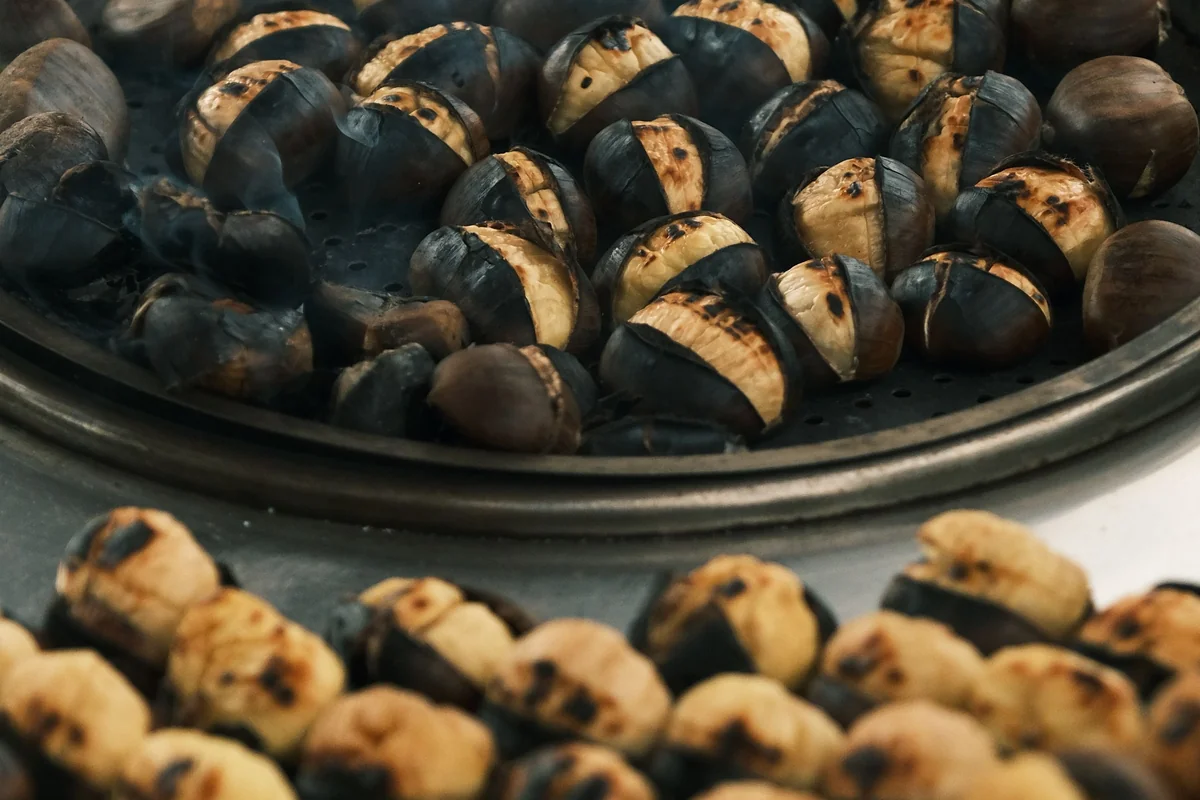
When the first cold days of autumn reach the north-west of Spain, the smell of roasting chestnuts drifts through villages, parks and city squares. This is the season of the Magosto festival, a celebration of the chestnut harvest that is especially loved in Galicia. In Ourense, the city most closely tied to the festival, the big day falls on 11 November, the feast of Saint Martin. In 2026 that is a Wednesday. Here is what the Magosto is, where it comes from and how to enjoy it if you are travelling in Spain this November.
What Is the Magosto?
At its heart the Magosto is very simple: friends, families and neighbours gather around a fire, roast chestnuts and share food, drink and conversation. Over the centuries this simple act became one of the great autumn customs of Galicia, as well as neighbouring areas such as Asturias, the Bierzo district of Leon and northern Portugal, where the festival is called Magusto.
The Magosto has no single fixed date across the region. Many towns, schools and associations hold their own between late October and late November, often on weekends. Across the border in Portugal, the Magusto is likewise associated with Saint Martin’s Day, known there as Sao Martinho, and chestnuts and new wine play the same starring role. Ourense, however, ties its main celebration to the feast of San Martino, Saint Martin, who is also the city’s patron saint.
Roots of the Festival
A Harvest Celebration
The Magosto grew out of the rural calendar. Autumn was the time to collect chestnuts in the woods, and the festival was a way to celebrate and give thanks for that harvest. The chestnut tree has deep roots in Galician life. Historians often point out that, before potatoes and maize spread through Europe from the Americas, chestnuts were a key food in many mountain areas, eaten fresh, dried or ground into flour.
Fire and the Turning Year
Fire is central to the Magosto. The bonfire warms the gathering, roasts the chestnuts and marks the shift into the darker half of the year. Many people see links with older seasonal festivals, and it is often said that the Magosto has pre-Christian roots, later blended with the Christian feast of Saint Martin. The origin of the word itself is uncertain. One popular theory traces it to the Latin magnus ustus, meaning a great fire, but this remains a folk explanation rather than an agreed fact.
Chestnuts and New Wine
A well-known Galician saying links the feast to the new harvest: on Saint Martin’s Day, make the magosto with roast chestnuts and new wine. The young red wine of the year is often opened around this date, and chestnuts are its natural partner.
The chestnuts are usually cut first so they do not burst, then roasted over the embers. Traditionally they were cooked in a pan with holes, or tossed directly among the coals. Alongside them you will often find chorizo, bread, cheese and other simple local foods. In Asturias the festival is called amaguestu, and the usual drink is sweet cider, the fresh, unfermented juice of the new apples. Galicia also protects its chestnuts with the Castana de Galicia protected geographical indication, and the Bierzo is famous for its own chestnut groves.
Games, Stories and Soot
The Magosto is a social event as much as a meal. People tell stories, sing and play music, and in some places there are traditional games. A playful custom in some villages is to smear faces with soot or ash from the fire, especially among young people. Customs vary from place to place, so do not be surprised if each Magosto you visit feels slightly different.
The Queimada
A Magosto night in Galicia may end with a queimada, a hot drink of local orujo spirit, sugar, lemon peel and coffee beans that is set alight in a clay bowl. While it burns, someone recites a conxuro, a spell meant to drive away evil spirits. The flames and the spell give the drink its reputation as a symbol of purification and protection.
The Magosto in Ourense
Ourense, in inland Galicia, is the place where the Magosto feels most like a city festival. On San Martino, bonfires are lit in neighbourhoods across the city, in the Alameda park and in the surrounding hills, and people gather to share chestnuts, chorizo and young wine. The festivities in Ourense were declared a Galician Festival of Tourist Interest in 2008. You can read more on the official Turismo de Galicia Magosto page.
Ourense is also worth a visit in its own right. It is famous for its hot springs, including the As Burgas fountains in the old town, which make a fine way to warm up on a cold November day. The cathedral and the Roman bridge over the Mino river are other highlights.
How to Enjoy the Magosto as a Visitor
- Check the programme. Times, locations and events change each year. Look for the official city or regional programme closer to the date.
- Dress warmly. November evenings in inland Galicia can be cold and damp, even near the fire.
- Look beyond the big day. Villages, schools and associations hold Magostos on many weekends in late October and November, so you may find one wherever you are in the region.
- Try street chestnuts. Even if you miss a festival, chestnut sellers with their roasting stalls appear on city streets across Spain in autumn.
- Taste the season. Pair chestnuts with a young local wine in Galicia or sweet cider in Asturias.
Part of a Season of Traditions
The Magosto arrives just after another great autumn moment in the Spanish calendar. In early November families visit cemeteries, eat seasonal sweets and, in many theatres, watch the classic play Don Juan Tenorio. Discover more in our guide to All Saints Day in Spain and Don Juan Tenorio. Together, these customs show how Spain marks the turning of the year with food, fire and memory.
Frequently Asked Questions
When is the Magosto festival?
In Ourense the main celebration is on 11 November, the feast of Saint Martin. Elsewhere in Galicia and nearby regions, Magostos are held on various dates from late October to late November.
What do people eat at a Magosto?
Roast chestnuts are the star, usually with chorizo, bread and young red wine. In Asturias the amaguestu pairs chestnuts with sweet cider.
Is the Magosto only celebrated in Galicia?
No. It is most strongly linked with Galicia, but it is also celebrated in Asturias, the Bierzo in Leon and northern Portugal, where it is called Magusto.
Can tourists join the Magosto?
Yes. Many public Magostos in parks and squares are open to everyone. Check the official local programme for times and places.