
The Dance of the Seises: Seville Cathedral’s December Tradition
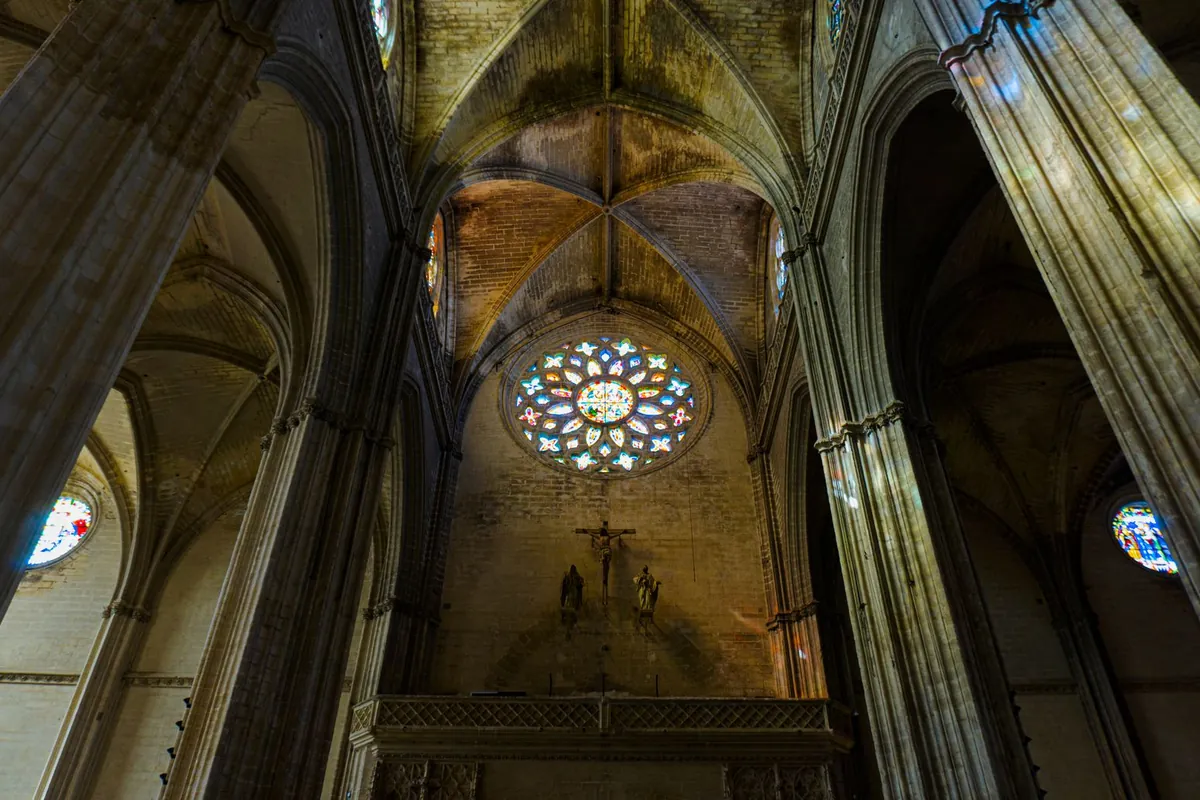
Every December, in the vast Gothic cathedral of Seville, a small group of boys dressed as Renaissance pages steps in front of the high altar, raises their castanets and begins a slow, solemn dance. The Dance of the Seises is one of the most unusual religious traditions in Europe, and it is performed only in Seville. If you are in Andalusia around the feast of the Immaculate Conception on 8 December, it is an experience you will not forget.
This guide explains where the tradition comes from, what happens during the ceremony and how to attend respectfully.
What Are the Seises?
The seises are boy choristers of Seville Cathedral who sing and dance before the Blessed Sacrament on a few special occasions in the church calendar. According to the Archdiocese of Seville, children took part in church ceremonies from the earliest times, and after the rise of choral music in the Renaissance, choirboys began to dance at Christmas and Easter. In the second half of the fifteenth century there were usually six of them, which is why, about a century later, they came to be called seises, from seis, the Spanish word for six.
Today the boys receive their training at the Colegio Inmaculado Corazon de Maria, Portaceli, in Seville, where they learn singing, liturgy and music as well as the dance itself.
A History Going Back Centuries
The Archdiocese dates the real story of the Seville seises to 1613, when they began to dance during the Octave of Corpus Christi. The idea came from Mateo Vazquez de Leca, Archdeacon of Carmona and a former seise himself. Together with the cathedral chapter, he saw the dance as a moving and attractive way to bring people to the cathedral to adore the Blessed Sacrament.
Later the seises began dancing during the Octave of the Immaculate Conception, from 1655, and finally during the three days of Carnival, from 1695. The cathedral notes that the tradition nearly disappeared when the Church banned dancing in churches, but Seville obtained a papal bull that allowed it to continue as a unique exception.
A Saint Who Was a Seise
One of the most famous former seises is Saint Manuel Gonzalez, a Seville born bishop who was canonised in 2016. He is today the patron of the seises, and the boys who dance in his old cathedral still remember him as one of their own.
The Octave of the Immaculate Conception
The feast of the Immaculate Conception on 8 December is a public holiday in Spain and one of the most solemn days of the year in Seville Cathedral. Pope Pius IX proclaimed the doctrine as a dogma of the Catholic Church in 1854, but devotion to the Immaculate Conception in Seville is far older and left a deep mark on the city’s art.
For the feast, the cathedral brings out an image of the Immaculate Conception carved by Alonso Martinez in the mid seventeenth century. Normally kept in the main sacristy, it is moved to preside over the high altar during the feast and its octave. The canons wear historic eighteenth century blue copes. According to the cathedral, the use of sky blue as the liturgical colour for this feast spread from Seville to the rest of Spain and to the Americas.
When Is the Dance Performed?
The octave runs from 8 to 15 December. In recent years, the cathedral has announced a daily evening ceremony at 17:30, with a Liturgy of the Word, Eucharistic adoration and the dance of the seises. Seats are placed in the transept and the ceremony is open to everyone who wishes to take part. Times can change from year to year, so check the cathedral’s announcements before you go.
What the Ceremony Looks Like
The dance is short, slow and carefully ritualised. The soft rhythm of the castanets marks each step and turn. The choreography has its roots in the Renaissance, and the dance is offered towards the Blessed Sacrament and the image of the Immaculate Conception on the high altar. For many people in Seville it is a family tradition to come and watch it at least once during the octave, and for the boys it is a moment they remember for the rest of their lives.
The Costumes
The costumes are what make the December dance so special. At other celebrations, such as Corpus Christi, the seises wear red. For the Immaculate Conception they dress as pages in sky blue and white, the traditional Marian colours, with plumed hats. Against the dark stone and gold of the high altar, the effect is unforgettable.
Music and Atmosphere
The boys sing as well as dance, accompanied by music written for the ceremony over the centuries. As the cathedral puts it, the dance is not a show, a folklore display or a re-enactment. It is part of the liturgy, and what moves visitors is its calm, its precision and the harmony between music, voices and movement.
Tips for Visitors
- Arrive early. The octave is very popular with local families and seats in the transept fill up.
- Remember that this is an act of worship, not a performance. Dress respectfully, keep silent and follow any rules on photography given by cathedral staff.
- Regular tourist visits may be changed or suspended on feast days, so if you also want to see the cathedral’s art and the Giralda, plan that visit for another time.
- Combine the visit with the city’s Christmas atmosphere. By December, Seville’s nativity scenes, Christmas markets and street lights are in full swing, and the streets around the cathedral are busy until late.
The Seises and Seville’s Love of the Immaculate
The dance belongs to a much wider story. Seville was one of the great centres of devotion to the Immaculate Conception in the seventeenth century, the age of painters such as Bartolome Esteban Murillo, whose many paintings of the Immaculate Conception made the theme famous around the world. Watching the seises in their blue and white costumes beneath the cathedral vaults is a rare chance to see that world brought to life.
You can read more about the tradition on the official Seville Cathedral website. For more of Spain’s Christmas season music, see our guide to villancicos, the Spanish Christmas carols.
Planning to See the Seises
The best chances to see the seises come twice a year. The first is the Octave of the Immaculate Conception, from 8 to 15 December, and the second is the Octave of Corpus Christi in late spring or early summer. They also dance on a few other special occasions, so it is worth checking the cathedral calendar if your dates fall outside those weeks.
The name itself is a small piece of history. In the fifteenth century there were usually six choirboys, and seis means six in Spanish, so the word stuck even as the number of dancers changed over time. Remember that the evening ceremony of the octave is a religious service open to all the faithful who wish to take part, not a tourist show, and dress and behave accordingly.