
Joaquin Sorolla and the Museo Sorolla: Madrid’s New Extension Opens
The Museo Sorolla in Madrid has reopened to the public, and for anyone who loves Spanish painting that is very good news. After two years of closure, the museum opened a brand new extension on 15 October 2026, with fresh galleries, a small auditorium and a modern home for its collections. The famous house and garden where Joaquin Sorolla lived and painted are still closed for restoration, but the new building already gives visitors a reason to return.
This article looks at who Sorolla was, why his house matters so much, and what you can actually see in Madrid this autumn and winter.
Who Was Joaquin Sorolla?
Joaquin Sorolla y Bastida was born in Valencia on 27 February 1863. His parents died in an epidemic when he was only two, and he was brought up by an aunt and uncle. In 1878 he entered the School of Fine Arts in Valencia, where he became friends with Juan Antonio Garcia del Castillo. His friend’s father, the photographer Antonio Garcia Peris, encouraged the young painter, and in 1888 Sorolla married his daughter, Clotilde Garcia del Castillo.
A grant took Sorolla to Rome in 1885, and from there he visited Paris, where he saw the work of painters such as Jules Bastien-Lepage and Adolph Menzel. In 1890 the couple settled in Madrid. Their three children, Maria, Joaquin and Elena, appear again and again in his paintings.
From Social Realism to Light and Sea
In the 1890s Sorolla made his name with large paintings of working life on the coast. And They Still Say Fish Is Expensive!, painted in 1894, is now in the Prado. The Return of the Fishing Fleet, from 1895, is in the Musee d’Orsay in Paris. At the Paris Universal Exhibition of 1900 he won a Grand Prix, with Sad Inheritance among the works on show.
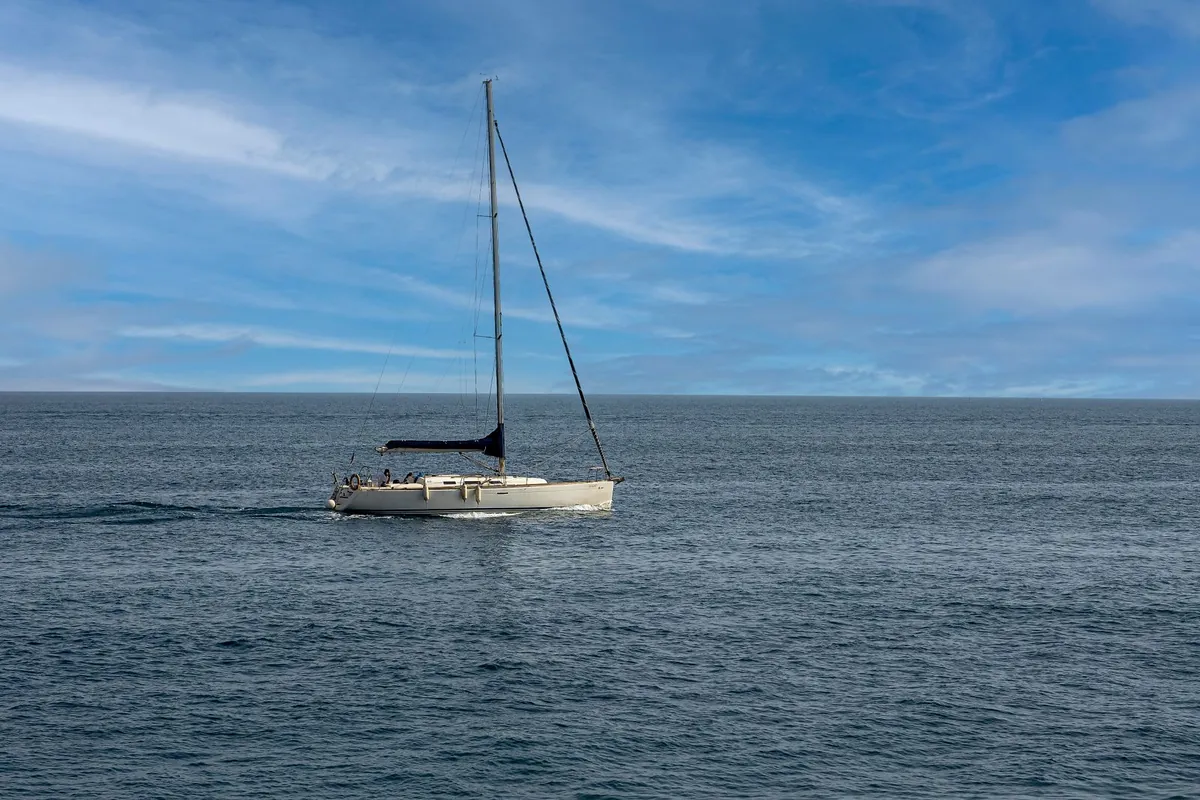
Over time his subject became light itself. Children running into the waves and white sails against a blue sea became his signature. Critics often compare him less with the French Impressionists than with painters such as John Singer Sargent, James McNeill Whistler and Anders Zorn, who shared his fast, confident brushwork and his love of strong daylight.
International Fame
Sorolla’s career was a remarkable international success. In 1906 he showed around 450 works at the Galerie Georges Petit in Paris. In 1908 he exhibited at the Grafton Galleries in London, where he met the American collector Archer Milton Huntington. The following year Huntington’s Hispanic Society of America in New York showed 356 of his works, and the exhibition drew around 160,000 visitors in a month.
That contact led to his largest commission, Vision of Spain, a series of huge panels on the regions of Spain for the Hispanic Society, signed in 1911. Around the same years he painted some of his best loved works, including The Horse’s Bath (1909) and The Siesta (1911). In 1920, while painting a portrait in his garden, he suffered a stroke and never painted again. He died in Cercedilla, near Madrid, in 1923.
The House That Became a Museum
Sorolla began building his house and studio in Madrid in 1910, and the family moved in at the end of 1911. He planned it with great care, from the large studios to the gardens, tiles and fountains.
After his death, his widow Clotilde left the house and many of its contents to the Spanish state in her will, drawn up in 1925. The state accepted the bequest in 1931 and the museum opened on 11 June 1932. Its first director was the painter’s son, Joaquin Sorolla Garcia. Because so much of the house survives as the family knew it, the Museo Sorolla is one of the few places in Europe where you can see an artist’s paintings in the rooms where they were made.
The New Extension at Calle Zurbano 68
The museum closed in October 2024 to start a two phase project of expansion and renovation. The first phase is the new building at number 68 Calle Zurbano, just behind the historic house. It was designed by Nieto Sobejano Arquitectos and adds more than 2,000 square metres of space. According to the Ministry of Culture, the total investment was 13,104,692 euros, including the purchase of the building, the works and the equipment.
Inside, there are four galleries for temporary exhibitions, an auditorium with 80 seats, a single storage area for the more than 9,500 objects in the museum’s care and a dedicated restoration workshop. A new entrance hall also improves access for people with reduced mobility.
An Architecture That Echoes the House
The architects did not try to compete with the historic house. Instead, they took three ideas from Sorolla’s world: the gardens, the Andalusian patio and the painter’s studios. A new patio brings natural light into the entrance hall. The exhibition rooms have pitched roofs and large skylights that recall the shape of the old studios. On top, a planted roof uses species from the historic gardens, such as oleanders and jasmine.
The Opening Exhibition
The extension opened with an exhibition curated by Covadonga Blasco Veganzones, Tras la casa del artista. Arquitecturas del Museo Sorolla (1905-2026), which can be translated as Behind the Artist’s House: Architectures of the Museo Sorolla. It runs until 10 January 2027.
The show tells the story of the building, from the moment Sorolla bought the first plots of land to the changes that turned the home into a museum during the twentieth century. Paintings, drawings, documents, plans, photographs and an architectural model explain how he designed his home, its decoration and its gardens. One highlight is From the Studio Window, painted around 1914 to 1919, one of the few records of a window that Sorolla opened in the north wall and that was later bricked up again.
The route ends with photographs and video by contemporary artists showing the empty house after the closure. A documentary by Jonas Bel, Hacer museo, follows the whole process of the expansion.
What Is Still Closed
It is important to know before you go that the historic house at Paseo del General Martinez Campos 37 remains closed. The second phase of the project will focus on its full rehabilitation and the restoration of the gardens. No reopening date has been announced, so a visit this season means the new building and its exhibition, not the painted studios and the tiled garden.
For current opening times, tickets and news about the second phase, check the official Museo Sorolla website before you travel. To place Sorolla among the other great names of Spanish painting, see our overview of famous Spanish artists who inspired the world of art.
Where Else to See Sorolla
While the house is closed, the Prado is the easiest place in Madrid to see a major Sorolla, with And They Still Say Fish Is Expensive! in its collection.
A Visit in Two Stages
For now, a trip to the Museo Sorolla means the new building at Calle Zurbano 68.
The opening exhibition, Tras la casa del artista. Arquitecturas del Museo Sorolla (1905-2026), runs until 10 January 2027. The historic house and gardens stay closed; no reopening date has been announced. Check the official museum website before you travel.