
Top 10 Spanish Female Painters Who Shaped the Art World
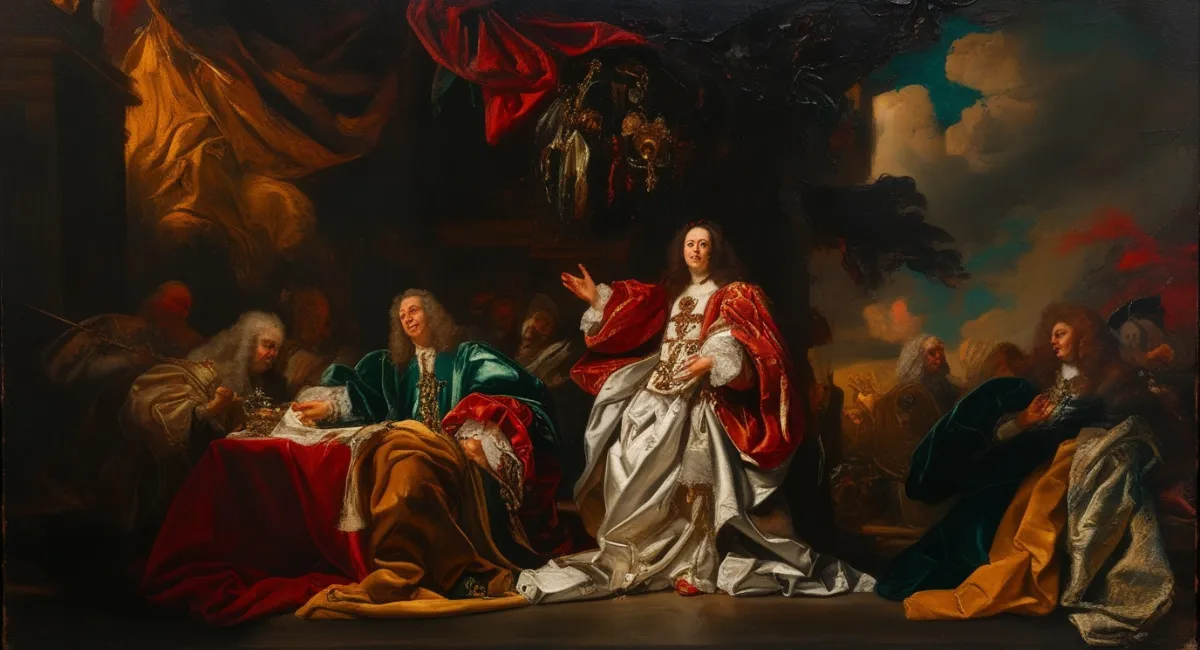
Spanish art has a rich tradition, known for its dramatic realism, bold colors, and groundbreaking techniques. While the history of art in Spain has been traditionally dominated by male artists, there are a number of brilliant women painters who have left an indelible mark on the artistic world. These women not only overcame societal constraints but also redefined the landscape of Spanish and global art. Below are 10 of the most influential Spanish female painters whose legacies continue to inspire generations of artists.
1. Frida Kahlo (1907–1954)
Although born in Mexico, Frida Kahlo is often associated with Spanish art due to her profound influence on the Iberian artistic world. Kahlo’s emotionally charged, surrealist paintings depicted her pain and suffering, much of which stemmed from a tragic bus accident in her youth. Her distinct style blends folk art with surrealism, and her exploration of identity, gender, and culture remains globally celebrated. Kahlo’s bold self-portraits, including The Two Fridas and Self-Portrait with Thorn Necklace and Hummingbird, are masterpieces that transcend national boundaries and speak to universal themes of resilience.
2. Sofía Gómez (1887–1977)
Sofía Gómez was one of the first Spanish women to attend Madrid’s Royal Academy of Fine Arts of San Fernando. She was known for her landscapes and portraits, which were highly regarded during her time. Although her career was somewhat overshadowed by her male contemporaries, her delicate, impressionistic works have experienced a resurgence in recent years. Gómez’s landscapes capture the Spanish countryside with tender brushstrokes, often emphasizing light and shadow in a way that prefigured the Impressionist movement.
3. María Blanchard (1881–1932)
A prominent figure of the early 20th century, María Blanchard is recognized for her role in the Cubist movement. Blanchard studied in Paris and became friends with key members of the avant-garde art scene, including Pablo Picasso. Her works are characterized by geometric abstraction and a vivid palette. Mother and Child, one of her best-known pieces, exemplifies her innovative take on Cubism, merging emotion with intellectual rigor. Blanchard’s exploration of motherhood and the human figure remains deeply compelling, particularly in her portrait series.
4. Isabel Quintanilla (b. 1947)
Isabel Quintanilla is a contemporary Spanish painter and one of the prominent figures of the Nueva Figuración (New Figuration) movement, a reaction against the abstraction that dominated the postwar art world. Her work features bold, expressive figures and focuses on human emotions and their physicality. Quintanilla’s unique style blends realism and surrealism, often incorporating themes of isolation and existential struggle, making her one of Spain’s most important contemporary female artists.
5. Remedios Varo (1908–1963)
Although born in Spain, Remedios Varo spent much of her career in Mexico, where she became one of the leading figures of the surrealist movement. Varo’s highly imaginative, dreamlike works often depict otherworldly scenes of mystical exploration and transformation. Influenced by alchemy, magic, and science, her paintings like Creation of the Birds and The Call reflect her fascination with both the metaphysical and the organic. Varo’s work is known for its precise detail, fantastical themes, and an exploration of the human psyche, which earned her recognition as one of the most important female Surrealists.
6. Clara Peeters (1594–1657)
Clara Peeters was a pioneering female painter of the Flemish Baroque school, but her influence spread across Spain due to her detailed still-life paintings. While she was not born in Spain, her work was highly regarded in Spanish royal courts and her still lifes of food, flowers, and luxury items were hugely popular in 17th-century Spain. Her meticulous attention to detail and ability to convey texture and light helped to elevate still-life painting into a respected genre. Peeters’ contributions to the Baroque period have earned her a place in the art history canon.
7. Pilar Beltrán (b. 1955)
A contemporary artist, Pilar Beltrán is best known for her large-scale, expressive portraits and her exploration of the human form. With a focus on abstraction and color, Beltrán’s work deals with themes of identity, gender, and the body. Her highly stylized portraits often present women in intense emotional states, challenging traditional notions of femininity and beauty. Her work is regularly exhibited in Spain and abroad, and she is seen as one of the most innovative and engaging Spanish painters working today.
8. Eugenia Vargas (b. 1960s)
Eugenia Vargas is a contemporary Spanish painter whose work is celebrated for its vibrant use of color and its surrealist, dreamlike qualities. Her compositions are often centered around figures in fantastical settings, evoking feelings of mystery and introspection. Vargas explores themes of nature, transformation, and personal growth, with a keen focus on the human relationship with the environment. Her work is a blend of symbolism and abstraction, combining elements of fantasy with a deep engagement with the natural world.
9. Juana Francés (1920–1990)
Juana Francés was an abstract expressionist painter who was part of the post-Civil War Spanish avant-garde movement. Known for her large, textured works that explore color, form, and shape, Francés was a trailblazer in breaking free from the traditional limits imposed on women artists in Spain during her time. Her vibrant and sometimes chaotic canvases push the boundaries of abstract expressionism and reflect her own struggle for self-expression in a male-dominated world. Francés remains an influential figure in Spanish modern art.
10. Manuela Ballester (1909–1989)
A painter and engraver, Manuela Ballester was an important figure in the Spanish modernist movement. She was a prominent member of the Spanish Republican exile community in France during the Spanish Civil War and maintained a progressive outlook on the role of women in society and in the art world. Her early works focused on abstraction, but later pieces took on more figurative elements as she explored themes of personal identity and memory. Ballester’s work often incorporated elements of Spanish folk art and European modernism.