
Spanish Music: A Vibrant Tapestry of Culture, Rhythm, and Global Influence
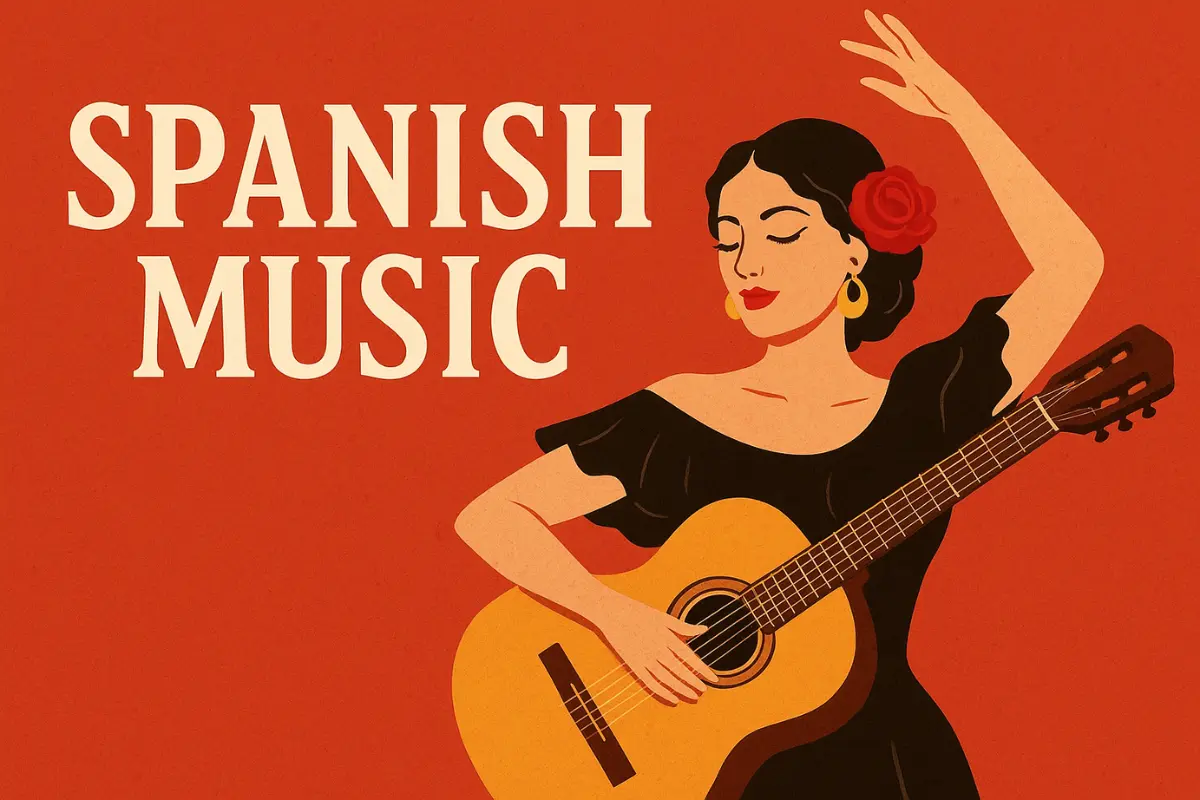
Spanish music is one of the richest and most colorful musical traditions in the world. Rooted in centuries of history and shaped by diverse cultures, it blends passion, emotion, storytelling, and rhythmic innovation. From the fiery strums of flamenco guitars to the energetic beats of modern Latin-pop, Spanish music continues to inspire listeners and artists across the globe. Its evolution reflects the spirit of Spain — expressive, soulful, and endlessly creative.
1. A Heritage Deeply Connected to History
Spanish music carries the influences of various civilizations that once thrived on the Iberian Peninsula — the Moors, Romans, Jews, and regional ethnic groups. Over time, these cultural layers shaped Spain’s musical identity, giving birth to distinct melodies, instruments, and rhythms.
Traditional Spanish sound is built on:
-
Guitar-based melodies
-
Emotional storytelling
-
Expressive vocals
-
Rhythmic footwork or percussion
The result is a musical heritage that feels both ancient and timeless.
2. Flamenco: The Heartbeat of Spain
Flamenco is the most iconic symbol of Spanish music. Originating from Andalusia, it connects deeply with Romani, Arabic, and folk Spanish traditions. Recognized by UNESCO as an Intangible Cultural Heritage, flamenco is more than music — it’s an emotional journey.
Flamenco blends:
-
Cante (soulful singing)
-
Toque (guitar playing)
-
Baile (intense dance)
-
Palmas (rhythmic handclaps)
Its dramatic expressions of love, pain, joy, and longing make it one of the most powerful musical styles in the world.
3. Regional Styles That Enrich the Nation
Spain is a land of unique regions, each with its own musical flavor.
Catalonia – Sardana & Catalan Pop
Known for unity and harmony, the Sardana dance reflects Catalan pride and community.
Galicia – Celtic-Influenced Tunes
Bagpipes, drums, and ancient folk melodies create a sound reminiscent of Celtic traditions.
Basque Country – Trikitixa & Choral Music
Fast-paced accordion music blends beautifully with traditional Basque singing.
Castile – Jota Dance
Energetic, fast, and joyful, the jota represents the spirit of Spanish celebration.
These regional styles highlight the diversity and beauty of Spanish musical culture.
4. Modern Spanish Music: A Global Powerhouse
Today, Spanish-language music has taken the world by storm. Artists from Spain have contributed significantly to global pop, Latin rhythms, and fusion genres.
Pop & Global Stars
-
Rosalía introduced flamenco fusion to mainstream pop.
-
Enrique Iglesias became one of the best-selling Latin artists of all time.
-
Alejandro Sanz brought poetic songwriting and romantic ballads to international fame.
Latin Urban & Fusion
While reggaeton originated outside Spain, many Spanish artists now blend it with flamenco, pop, and electronic sounds to create fresh, modern hits.
This global success shows how Spanish music continues to evolve without losing its roots.
5. Instruments That Define the Sound
Spanish music is instantly recognizable thanks to its iconic instruments, such as:
-
Spanish guitar – the heart of flamenco and folk music
-
Castanets – hand-held percussion for dance
-
Cajón – a wooden percussion box adopted into flamenco
-
Bandurria – a traditional plucked string instrument
Together, they produce a soundscape filled with warmth, rhythm, and passion.
6. The Emotional Soul of Spanish Music
Whether it’s a flamenco lament, a joyful fiesta tune, or a modern Latin-pop anthem, Spanish music carries deep emotional energy. Themes of love, struggles, heritage, and celebration are woven into every melody. This emotional intensity is one reason Spanish music resonates with audiences worldwide.
7. A Legacy That Continues to Inspire
Spanish music stands as a beautiful blend of tradition and innovation. While its roots run deep into history, modern artists keep evolving the sound, ensuring it remains relevant and influential.
From classical composers like Manuel de Falla to global icons like Rosalía, Spain continues to shape the music of today and tomorrow.
Spanish music is not just a genre — it is a cultural treasure, a form of expression, and a vibrant celebration of life.