
Zarzuela Explained: Spain’s Own Opera, Its History and the 2026-2027 Season in Madrid
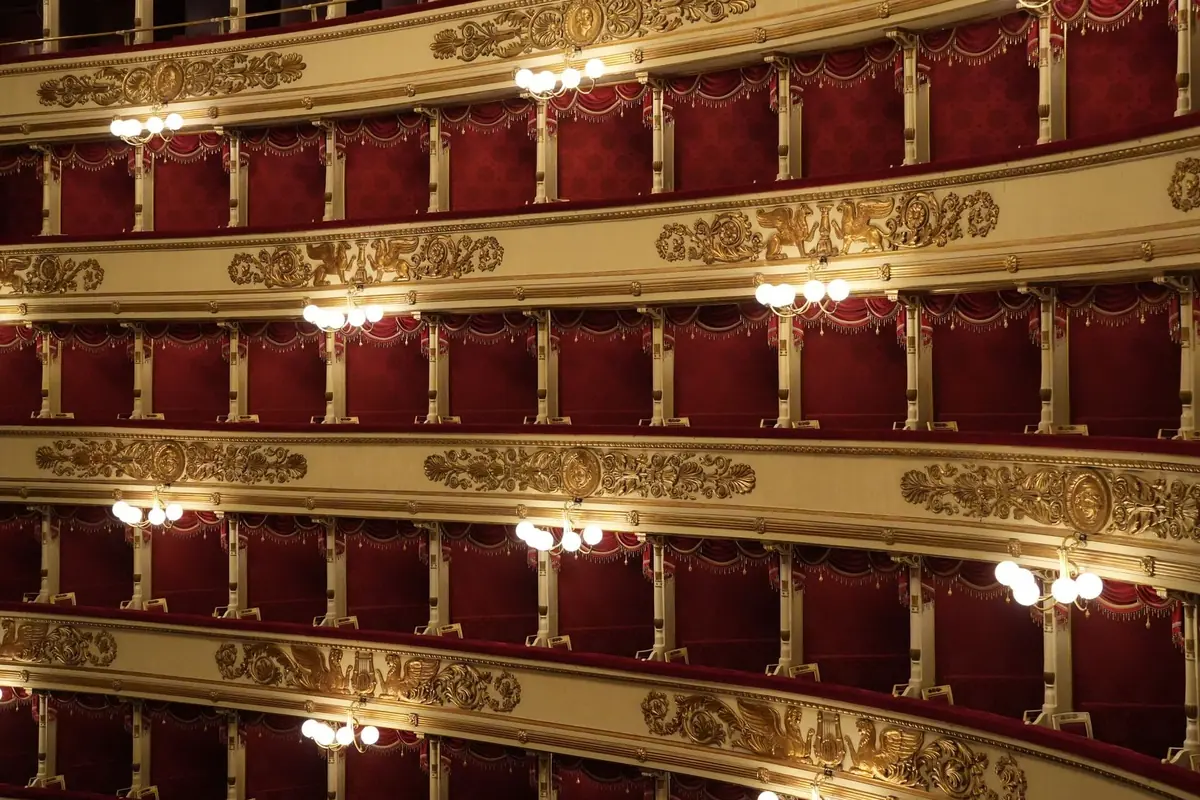
Spain has its own form of musical theatre, and it is older than many people think. Zarzuela, Spain’s opera as it is often called, mixes sung music with spoken dialogue, and for more than a century it was the most popular stage entertainment in the Spanish-speaking world. Today it is very much alive, with a dedicated theatre in Madrid that has just opened a new season.
This guide explains where zarzuela came from, how it differs from opera, which works to know and how to see one in 2026 and 2027.
What Is Zarzuela?
The Teatro de la Zarzuela in Madrid defines the genre simply: a stage work with spoken parts and sung parts. Characters talk to each other as in a play, and then break into song at moments of strong feeling, much as in an operetta or a modern musical. The theatre describes zarzuela as a living genre that reflects many aspects of Spanish life in a theatrical and entertaining way, drawing on its characters, festivals, customs and stories.
This balance between words and music was noticed early. Writing in 1796, the Valencian scholar Antonio Eximeno observed that in zarzuelas the scenes were declaimed and only the passages of passion were sung, so the audience could follow the whole plot while still enjoying the music.
Where the Name Comes From
The word zarzuela comes from a place. The Palacio de la Zarzuela, a royal hunting lodge near Madrid, took its name from the brambles, or zarzas, that grew around it. In the seventeenth century the court staged musical plays there, and the theatre traces the distant origins of the genre to sung works by the great playwright Pedro Calderon de la Barca, with music by Juan de Hidalgo, performed at the palace.
In the late eighteenth century, the writer Ramon de la Cruz adapted Italian comic operas into Spanish for Madrid’s theatres. Then, in the first half of the nineteenth century, a new kind of zarzuela emerged, with original texts and scores full of Spanish local colour. This is the modern zarzuela that audiences know today.
A Theatre Built for One Genre
The history of modern zarzuela is tied to one building. In the 1850s a group of composers and writers, including Francisco Asenjo Barbieri, Joaquin Gaztambide, Rafael Hernando, Jose Inzenga, Francisco Salas, Luis Olona and Cristobal Oudrid, decided to give the new genre a modern, comfortable home near the Calle de Alcala. The Teatro de la Zarzuela opened in 1856.
Many famous titles had their first performances on its stage, among them El barberillo de Lavapies by Barbieri, La bruja and El rey que rabio by Ruperto Chapi, Bohemios and Maruxa by Amadeo Vives, and El caserio by Jesus Guridi. In 1994 the building was declared a National Monument, and after renovation works it returned in 1998 to its original purpose: Spanish lyric theatre. Today it is a public theatre run by Spain’s national institute for the performing arts and music.
Two Kinds of Zarzuela
Genero chico
The genero chico, or small genre, consists of short, one-act works full of popular Madrid characters. They suited the theatre by the hour system of the late nineteenth century, when audiences bought a ticket for a single short show. Classics include La verbena de la Paloma, Agua, azucarillos y aguardiente and La Revoltosa. They are witty, fast and packed with memorable tunes.
Zarzuela grande
The zarzuela grande is a larger work in several acts, closer in scale to full opera. Dona Francisquita and La Chulapona, both set in Madrid, belong here, as do regional works such as La del Soto del Parral, La rosa del azafran and La patria chica, which draw on rural life and folklore.
Composers to Know
The Teatro de la Zarzuela highlights a long list of masters of the genre. Among them:
- Francisco Asenjo Barbieri, one of the founders of modern zarzuela
- Federico Chueca (1846-1908), the great chronicler of Madrid street life
- Tomas Breton (1850-1923), composer of La verbena de la Paloma
- Amadeo Vives (1871-1932), author of Bohemios and Maruxa
- Federico Moreno Torroba (1891-1982) and Pablo Sorozabal (1897-1988), who carried the genre well into the twentieth century
Zarzuela has also been sung by the biggest names in Spanish opera, including Teresa Berganza, Montserrat Caballe, Placido Domingo and Alfredo Kraus. If you enjoy great voices, our feature on opera singers who redefined the art form is a natural next read.
How Zarzuela Differs from Opera
- Spoken dialogue. Most opera is sung from start to finish. Zarzuela alternates speech and song.
- Everyday characters. Instead of gods and kings, zarzuela often shows seamstresses, shopkeepers, soldiers and neighbours.
- Local flavour. Many works are rooted in a specific place, from the streets of Madrid to the villages of Castile or the Basque Country, and use dances and rhythms from Spanish popular music.
- Humour. Comedy plays a much bigger role than in most grand opera, even in works with serious plots.
The 2026-2027 Season at the Teatro de la Zarzuela
The theatre’s new lyric season opened with La verbena de la Paloma, from 23 September to 4 October 2026. According to the official programme, the coming months bring:
- Las trece rosas rojas: 25 November to 2 December 2026
- Los gavilanes: 28 January to 13 February 2027
- La bruja: 11 to 28 March 2027
- El duo de La africana: 10 to 17 April 2027
- Venus y Adonis: 5 to 9 May 2027
- El barberillo de Lavapies: 9 to 25 June 2027
The season also includes concerts, dance, a song recital series and chamber music theatre. Dates and casts can change, so check the official page for the Teatro de la Zarzuela 2026-2027 lyric season before booking.
Tips for a first visit
- Start with a classic. Comic works such as El barberillo de Lavapies are an easy and joyful introduction.
- Read the plot first. The spoken dialogue is in Spanish, so a quick summary helps if your Spanish is limited.
- Enjoy the building. The theatre is a National Monument, just a few minutes’ walk from the Paseo del Prado and the city’s great museums.
Frequently Asked Questions
Is zarzuela the same as opera?
Not quite. Zarzuela is a Spanish form of lyric theatre that combines singing with spoken dialogue, while most opera is sung throughout. It is closer in structure to operetta.
Why is it called zarzuela?
The name comes from the Palacio de la Zarzuela, a royal lodge near Madrid named after the brambles, or zarzas, around it, where musical plays were staged for the court in the seventeenth century.
Where can I see zarzuela in Madrid?
The Teatro de la Zarzuela, opened in 1856, is the only theatre built specifically for the genre and presents a full zarzuela season every year.
What zarzuela is on in Madrid in late 2026?
The Teatro de la Zarzuela presents Las trece rosas rojas from 25 November to 2 December 2026, followed by Los gavilanes from 28 January 2027.