
Top 10 Sculpture Artists: Masters Who Shaped Art History
Sculpture, one of the most enduring forms of artistic expression, has left an indelible mark on human history. From ancient civilizations to modern-day masterpieces, sculptors have used a variety of materials—stone, metal, wood, and more—to create stunning works of art that capture the imagination. Here’s a look at the top 10 sculpture artists of all time, whose works have stood the test of time and continue to inspire.
1. Michelangelo (1475–1564)
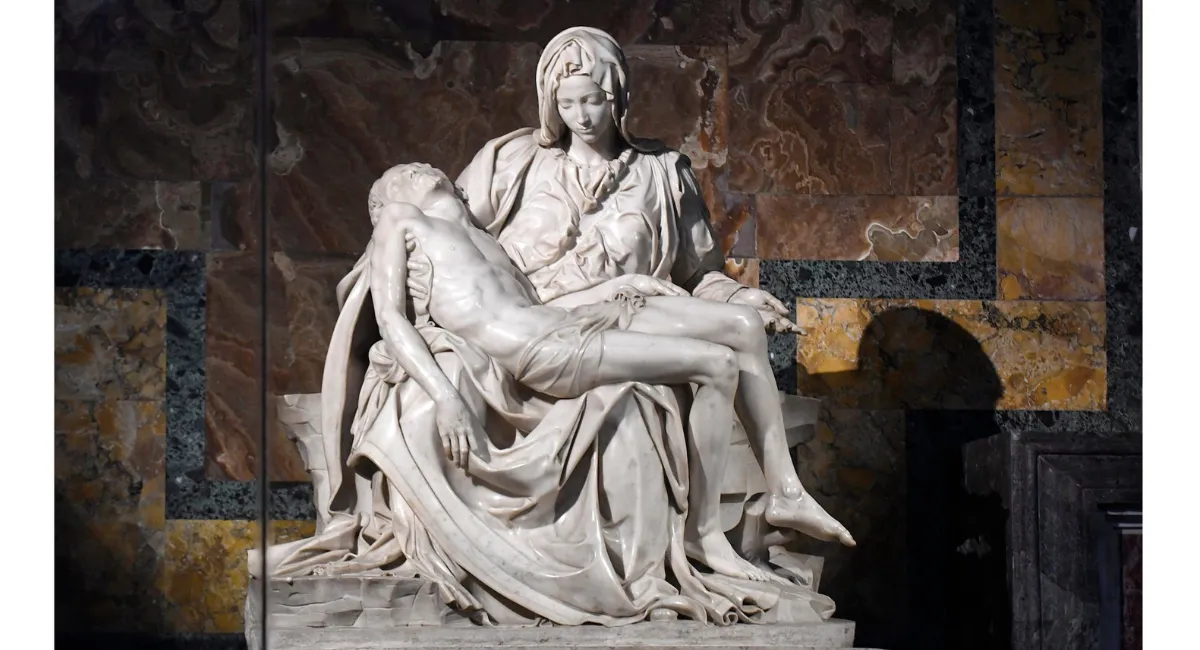
No discussion of sculpture can begin without Michelangelo, the Italian Renaissance master whose works remain the gold standard in sculpture. Known for his ability to evoke deep emotion and dynamic movement from marble, his most famous works include David, a symbol of human beauty and strength, and the Pietà, a deeply moving depiction of Mary holding the dead Christ. Michelangelo’s work exemplifies the Renaissance’s emphasis on humanism and the divine.
2. Auguste Rodin (1840–1917)
Often regarded as the father of modern sculpture, Rodin broke away from the classical traditions of sculpture to create highly emotional and expressive works. His masterpiece, The Thinker, symbolizes intellectual struggle and contemplation. The Gates of Hell, a monumental work inspired by Dante’s Inferno, showcases his ability to convey complex, emotional narratives through sculpture.
3. Donatello (1386–1466)
Another Renaissance giant, Donatello was instrumental in reviving classical techniques and developing a more naturalistic approach to sculpture. His David predates Michelangelo’s and is a stunning bronze work that captures both youthful vulnerability and heroic resolve. Donatello’s use of perspective and emotion in his sculptures marked a major shift toward realism in art.
4. Gian Lorenzo Bernini (1598–1680)
Bernini, the great Baroque master, revolutionized sculpture with his incredible ability to capture movement, emotion, and drama. His iconic work, The Ecstasy of Saint Teresa, is a breathtaking example of his skill in creating dynamic compositions that seem to burst with life. Bernini’s sculptures are known for their dramatic realism, often capturing moments of intense emotion or divine revelation.
5. Constantin Brâncuși (1876–1957)
Romanian-born Constantin Brâncuși is celebrated for his abstract approach to sculpture, which influenced the development of modern art. His works often focus on simplified, geometric forms that aim to capture the essence of his subjects. Bird in Space is one of his most famous pieces, a sleek, elongated form that symbolizes flight and freedom. Brâncuși’s minimalist style paved the way for many future artists and movements, including abstract and minimalist art.
6. Henry Moore (1898–1986)
Henry Moore is renowned for his large, abstract sculptures that explore the relationship between the human form and nature. His reclining figures, such as Reclining Figure: Festival, are often organic and fluid, with a sense of both strength and vulnerability. Moore’s innovative use of space and his monumental outdoor sculptures have left a lasting impact on modern and contemporary art.
7. Alberto Giacometti (1901–1966)
Swiss artist Alberto Giacometti is known for his distinctive sculptures of elongated, emaciated human figures, which often evoke a sense of isolation and existential dread. His work, such as Walking Man, reflects the alienation and anxiety of the 20th century, particularly in the aftermath of World War II. Giacometti’s unique vision and his ability to distill the human experience into minimalist forms have made him one of the most influential sculptors of the 20th century.
8. Alexander Calder (1898–1976)
American artist Alexander Calder transformed sculpture by introducing movement into his works. Best known for his mobiles, kinetic sculptures that move with air currents, Calder’s works are playful, colorful, and often defy traditional expectations of sculpture as a static art form. His innovation in combining engineering and artistry made him a leading figure in modern art.
9. Louise Bourgeois (1911–2010)
Louise Bourgeois was a French-American sculptor known for her deeply personal and emotionally charged works. Her most famous piece, Maman, a giant spider sculpture, explores themes of motherhood, protection, and fear. Bourgeois often used abstract forms and biomorphic shapes to address complex emotional and psychological themes, making her a major figure in contemporary art.
10. Jean-Baptiste Carpeaux (1827–1875)
Jean-Baptiste Carpeaux, a 19th-century French sculptor, is known for his highly detailed and expressive works. His La Danse, which decorates the façade of the Paris Opera, is one of his most celebrated pieces, capturing the exuberance and vitality of the dance. Carpeaux’s work bridged the gap between Neoclassicism and Romanticism, emphasizing movement and emotion.
These 10 sculptors, from the Renaissance masters to contemporary pioneers, have each contributed uniquely to the world of sculpture. Their works not only showcase their technical prowess but also their ability to communicate profound human emotions and experiences. Through their hands, sculpture has become more than just an art form—it’s a testament to the enduring power of creativity and expression.