
The Timeless Beauty of Opera: A Journey Through Music, Emotion, and Drama
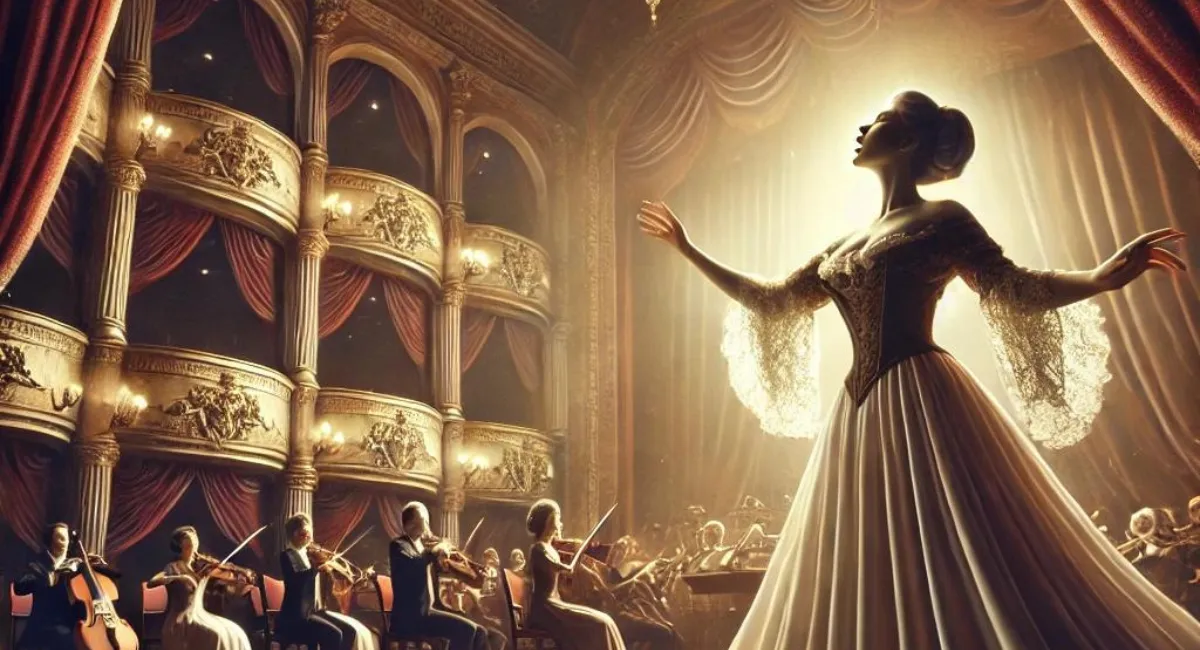
Opera is one of the most dramatic and emotive genres of music, an art form that brings together a powerful blend of vocal performance, orchestral music, and storytelling. Originating in Italy in the late 16th century, opera quickly became a favored form of entertainment for European courts and aristocracies. Over the centuries, it evolved, drawing from different cultures, languages, and musical traditions to become a globally admired art form.
The Origins of Opera
Opera was born during the Italian Renaissance, a time when artists and scholars were rediscovering the classical ideals of ancient Greece and Rome. Early opera composers sought to revive the dramatic storytelling of Greek tragedies, blending music with poetic dialogue. Jacopo Peri’s Dafne (1598) is often credited as the first opera, followed by Claudio Monteverdi’s L’Orfeo (1607), which cemented the form’s popularity.
The Structure of Opera
At its core, opera is a combination of several artistic elements: singing, acting, orchestral accompaniment, and sometimes dance. Opera singers are trained in classical voice techniques, and their ability to project powerful emotions through song is one of the defining features of the genre. Operas typically consist of various sections, including:
- Aria: A solo performance where the character expresses deep emotion.
- Recitative: Speech-like singing used to advance the plot.
- Chorus: A group of singers providing commentary or background to the action.
- Overture: The orchestral introduction that sets the mood.
Opera’s Great Composers
Throughout its history, opera has produced some of the greatest composers in music history. Wolfgang Amadeus Mozart, known for operas such as The Magic Flute and Don Giovanni, brought a unique balance of drama and comedy to the form. Giuseppe Verdi and Richard Wagner, both dominant in the 19th century, are celebrated for their deep emotional intensity and complex characters. Verdi’s La Traviata and Wagner’s Ring Cycle remain monumental works in opera today.
Opera Across Cultures
Though its roots are in Italy, opera has transcended its origins and adapted to different cultures. French opera, exemplified by composers like Georges Bizet and Camille Saint-Saëns, often focuses on elegance and tragedy. German opera, led by Wagner and Richard Strauss, emphasizes epic tales and innovative orchestration. Meanwhile, Russian composers like Pyotr Ilyich Tchaikovsky infused folk traditions into their operas, as seen in Eugene Onegin.
The Power of Storytelling
One of opera’s enduring strengths is its ability to tell stories that resonate across time and space. Love, betrayal, death, and redemption are universal themes, and opera presents these emotions on a grand, almost mythical, scale. The combination of human voice and orchestration can evoke a profound emotional response in the listener, making each performance a unique and unforgettable experience.
Modern Opera
In the 20th and 21st centuries, opera continues to thrive, with composers experimenting with new themes, styles, and media. Philip Glass and John Adams are just a few contemporary figures who have pushed the boundaries of what opera can be, incorporating minimalism and modern historical narratives into their works. Opera houses around the world now feature both classic and modern productions, attracting diverse audiences and proving that opera remains relevant in today’s artistic landscape.
Conclusion
Opera music, with its fusion of storytelling, visual spectacle, and unmatched vocal power, is a timeless art form. Whether one is moved by a tender aria or thrilled by an epic overture, opera offers a deep emotional experience that has enchanted audiences for centuries. Its ability to evolve while staying true to its dramatic roots ensures that it will continue to captivate generations to come.