
Flamenco Explained: Origins, Main Styles (Palos) and Its UNESCO Heritage Status
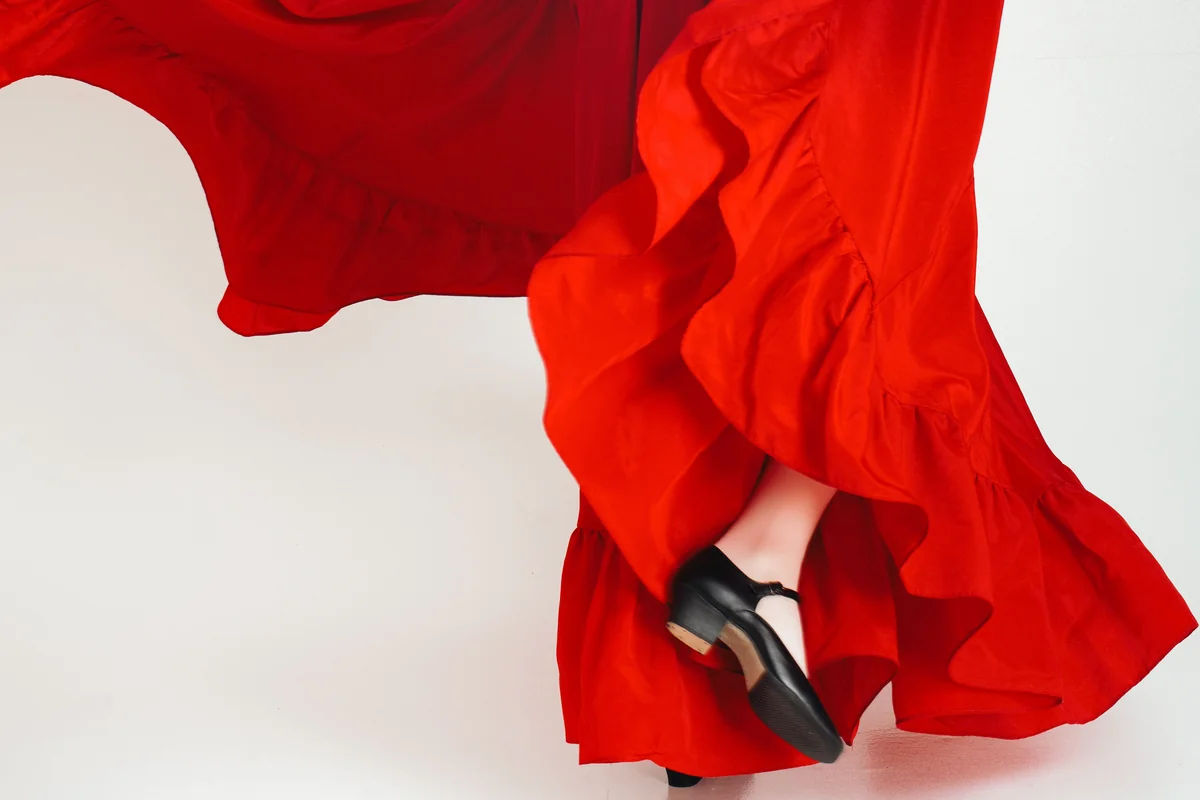
Flamenco is often reduced to a few images: a swirling red skirt, a stamping heel, a guitar played at speed. The real art is richer. It is a whole musical language with its own history, rhythms and dozens of song forms. Those forms are known as the flamenco palos, and learning a few of them changes the way you hear every performance.
This guide explains where flamenco came from, how its main styles differ and why UNESCO lists it as part of the cultural heritage of humanity.
What Is Flamenco?
UNESCO describes flamenco as an art that fuses three elements:
- Cante: the song, the heart of the tradition.
- Baile: the dance, with its footwork, arm movements and dramatic pauses.
- Toque: the guitar, which long ago grew from simple accompaniment into a solo art.
Around these three sit the jaleo (shouts of encouragement such as “ole”), palmas (rhythmic hand-clapping), pitos (finger-snapping) and, in some styles, castanets. Since the late twentieth century the cajon, a wooden box drum, has become a regular part of the group too.
Where Flamenco Came From
Andalusia in southern Spain is the heartland of flamenco, although UNESCO notes that it also has roots in regions such as Murcia and Extremadura. Its exact birth is hard to date because it was passed on orally, inside families and small communities, long before anyone wrote it down.
Historians point to many influences: Andalusian folk song, the music of the region’s Muslim and Jewish past, Castilian traditions and, above all, the Gitano (Spanish Roma) community. UNESCO highlights the Gitano people as having played an essential role in flamenco’s development, and many of its great family dynasties are Gitano.
From Private Gatherings to the Stage
- Late 18th to mid-19th century: flamenco takes shape in homes, taverns and celebrations in towns such as Seville, Jerez and Cadiz.
- About 1860s to 1910s: the era of the cafes cantantes, music cafes where professional singers, dancers and guitarists performed for paying audiences. Many palos took their classic form at this time.
- 1922: the composer Manuel de Falla and the poet Federico Garcia Lorca organise the Concurso de Cante Jondo in Granada to protect the older, deeper styles of song.
- 1920s to 1950s: the “opera flamenca” period brings flamenco to large theatres, with lighter, more popular songs.
- 1950s onwards: tablaos, small flamenco venues, spread in Madrid and Andalusia, and a revival of traditional cante takes hold.
- 1970s onwards: artists such as guitarist Paco de Lucia and singer Camaron de la Isla open flamenco to jazz, Latin and pop influences.
Understanding Compas: The Rhythm Behind the Palos
Before looking at the palos, it helps to know about compas, flamenco’s rhythmic cycle. Many styles use a 12-beat cycle with accents on particular beats. In the classic count for solea, the accents fall on beats 3, 6, 8, 10 and 12. Others use a simpler pattern of four beats, and some songs have no fixed rhythm at all.
The palos are grouped by these rhythms, by their mood and by the region they come from. Musicians often speak of cante jondo (deep, serious song) and cante chico (lighter, festive song), with many styles in between.
The Main Flamenco Palos
There are dozens of palos, and experts group them in different ways. These are the ones you are most likely to hear.
Solea
Often called the mother of flamenco, the solea is slow, solemn and dignified. It uses the 12-beat compas and is a favourite for showing off a dancer’s control and a singer’s depth.
Seguiriya
One of the most intense forms of cante jondo, the seguiriya expresses grief and despair. Its uneven, limping rhythm makes it one of the hardest styles to master.
Bulerias
Fast, playful and full of breaks, bulerias are closely linked to Jerez de la Frontera. They are the style most often used to close a performance or a party, when performers take turns to improvise.
Alegrias
Bright and joyful, the alegrias come from Cadiz and belong to the family of cantinas. They are usually in a major key, and their lyrics often celebrate the city and the sea.
Tangos
Flamenco tangos are not the Argentine dance. They use a steady four-beat rhythm and have a festive, swinging feel, with strong traditions in Triana (Seville), Cadiz and Granada.
Fandangos and the Cantes Libres
Fandangos, especially those of Huelva, are among the most popular songs in Andalusia. From the fandango family grew freer forms sung without a fixed beat, such as the malaguena, the granaina and the taranta. The taranta and related mining songs come from the mining areas of eastern Andalusia and Murcia.
Tonas and Martinetes
These are some of the oldest styles. They are sung without guitar, sometimes with only the rhythm of a hammer on an anvil, which recalls the forges where some of them are said to have been born.
Cantes de Ida y Vuelta
The name means “songs of going and returning”. Styles such as the guajira, colombiana and milonga show the musical exchange between Spain and Latin America, and they have a softer, more relaxed feel.
Flamenco and UNESCO
In 2010 UNESCO inscribed flamenco on the Representative List of the Intangible Cultural Heritage of Humanity. The decision was taken at the fifth session of its intergovernmental committee, held in Nairobi. The inscription recognises flamenco as a living tradition, performed at religious festivals, rituals, church ceremonies and private celebrations.
UNESCO also stresses how flamenco survives: through dynasties, families, social groups and flamenco clubs, known as penas. These play a key role in keeping it alive and passing it on. You can read the full description on the official UNESCO page for flamenco.
Recognition brings responsibility. Andalusia has made flamenco part of its cultural policy, supporting archives, education and festivals. For a wider look at the sounds that surround it, see our overview of Spanish music and its global influence.
Where to Experience Flamenco
- Seville: the Bienal de Flamenco, held every two years, is one of the largest flamenco festivals in the world. Triana remains a historic flamenco district.
- Jerez de la Frontera: famous for bulerias and home to a major flamenco festival each year.
- Granada: known for zambra performances in the cave houses of the Sacromonte.
- La Union (Murcia): hosts the Cante de las Minas festival, devoted to the mining songs.
- Madrid: has many tablaos, and the city has long been a meeting point for artists from every region.
When choosing a show, look for small venues or penas where the music is not rushed. Shows aimed only at tourists can be enjoyable, but a quieter setting lets you hear the cante properly.
Frequently Asked Questions
What are flamenco palos?
Palos are the different styles or forms of flamenco. Each has its own rhythm, mood, melody and often its own place of origin. Solea, bulerias, alegrias and tangos are among the best known.
When did UNESCO recognise flamenco?
Flamenco was inscribed on the Representative List of the Intangible Cultural Heritage of Humanity in 2010.
Is flamenco only a dance?
No. Flamenco combines song (cante), dance (baile) and guitar (toque). Many experts consider the song to be its core.
Where did flamenco originate?
Flamenco developed mainly in Andalusia, in southern Spain, with roots also in Murcia and Extremadura. The Gitano community played an essential role in shaping it.